
Youth strength training is gaining recognition as crucial for developing healthy bodies and preventing injuries, offering a structured approach to fitness.
Many resources, including downloadable youth strength training program PDFs, are available to guide young athletes and their coaches effectively.
Early exposure to proper techniques builds a foundation for lifelong physical activity, enhancing athletic performance and overall well-being for children.
Why Strength Training is Beneficial for Youth
Strength training for young individuals extends far beyond simply building bigger muscles; it’s a cornerstone for holistic development. A well-designed youth strength training program PDF emphasizes improvements in bone density, crucial during formative years, reducing the risk of fractures later in life. Furthermore, it enhances athletic performance across various sports by increasing power, speed, and agility.
Beyond the physical benefits, strength training positively impacts cognitive function and self-esteem. Successfully completing challenging exercises fosters a sense of accomplishment and confidence. Properly structured programs, often detailed in downloadable guides, prioritize proper form and technique, minimizing injury risk. These programs also contribute to improved posture, balance, and coordination, skills valuable both on and off the field.
Accessing a comprehensive youth strength training program PDF empowers coaches and parents to implement safe and effective routines, ensuring young athletes reap the numerous rewards of strength training.
Debunking Myths About Youth Strength Training
Several misconceptions surround youth strength training, often stemming from outdated beliefs. A common myth is that it stunts growth, which has been thoroughly debunked by research; properly supervised programs actually promote healthy growth and development. Another falsehood is that young athletes must reach a certain age or level of maturity before starting. A well-structured youth strength training program PDF can adapt exercises to various developmental stages.
The fear of injury is also prevalent, but with appropriate supervision, technique instruction, and progressive overload – principles detailed in many downloadable guides – the risk is minimal and often lower than in sports involving high impact or contact. It’s crucial to understand that strength training isn’t about lifting heavy weights; it’s about learning proper movement patterns.
Utilizing a reliable youth strength training program PDF helps dispel these myths and provides a safe, effective path to fitness for young athletes.
Program Design Principles
Effective program design for youth requires careful consideration of age, maturity, and individual needs, often detailed within a youth strength training program PDF.
Age-Specific Considerations
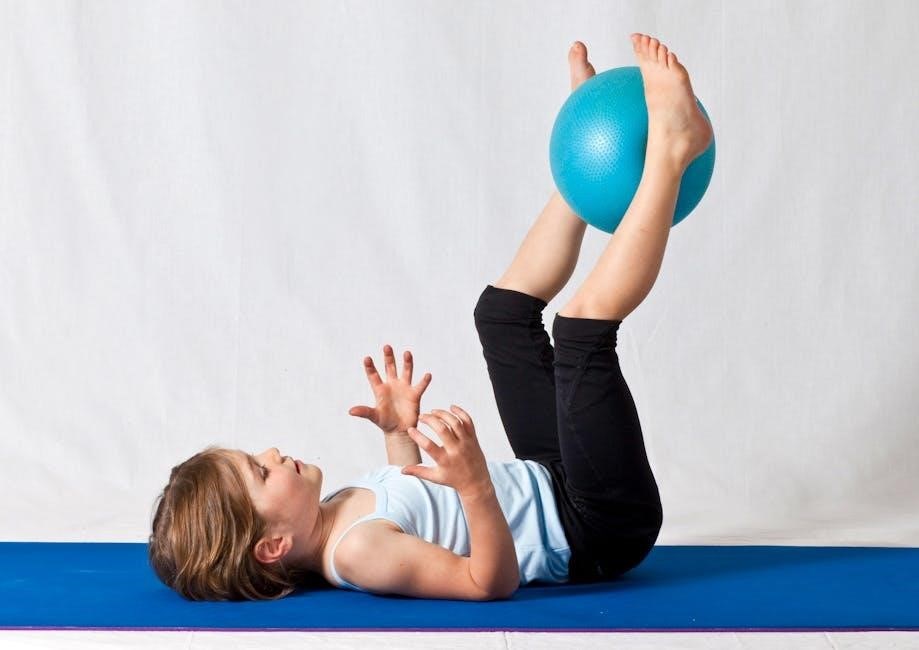
Designing programs necessitates acknowledging developmental stages; a youth strength training program PDF should reflect this. Younger children (8-11) benefit from foundational movements – bodyweight exercises focusing on mastering form, not maximal weight. Emphasis should be on skill acquisition and enjoyment, fostering a positive relationship with fitness.
Adolescents (12-14) can progressively introduce light resistance, prioritizing technique and controlled movements. This stage supports growth spurts, requiring careful monitoring to avoid overstressing developing bones and joints. Older teens (15-18) can handle more advanced programs, resembling adult training with appropriate modifications.
A well-structured PDF will outline exercise selection, sets, reps, and rest periods tailored to each age group, ensuring safety and maximizing developmental benefits. Individual maturity levels should also be considered, as children mature at different rates.
Focus on Proper Form and Technique
Prioritizing form over weight is paramount in youth strength training; a comprehensive youth strength training program PDF must emphasize this. Incorrect technique dramatically increases injury risk, hindering long-term development. Coaches and parents should meticulously supervise, providing constant feedback and correction.
Begin with bodyweight exercises to establish a solid movement foundation before introducing external resistance. Teach proper bracing, core engagement, and controlled movements. A PDF should include detailed exercise descriptions and visual aids demonstrating correct form.
Regularly assess technique, and regress exercises if form breaks down. Emphasize quality repetitions over quantity. Instilling good habits early prevents compensatory patterns and ensures safe, effective training throughout their athletic journey.
Progressive Overload: A Key Principle
Progressive overload is fundamental to strength gains in any training program, and a well-designed youth strength training program PDF should clearly outline its implementation. This involves gradually increasing the demands placed on the musculoskeletal system over time, prompting adaptation and growth.
For youth athletes, overload isn’t solely about adding weight. It can be achieved through increased repetitions, sets, reduced rest times, or more complex exercise variations. A PDF should provide a structured progression plan, detailing how to safely increase intensity.
Monitor athletes closely for signs of fatigue or overtraining. Individual responses vary, so adjustments are crucial. Prioritize consistent, incremental improvements over rapid, unsustainable increases, fostering long-term strength and preventing plateaus.

Essential Exercises
Essential exercises for youth, detailed in a youth strength training program PDF, include bodyweight movements, resistance bands, and light weights for safe, effective gains.
Bodyweight Exercises for Beginners
Bodyweight exercises are the perfect starting point for young athletes, often detailed within a comprehensive youth strength training program PDF. These movements require no equipment, making them accessible and convenient for home or gym use. Fundamental exercises include squats, teaching proper lower body mechanics, and push-ups, building upper body strength.
Lunges improve balance and coordination, while planks strengthen the core – a crucial element for overall stability. A well-structured program will emphasize proper form over the number of repetitions, ensuring safety and preventing injuries.
Beginners should focus on mastering these foundational movements before progressing to more challenging exercises. A youth strength training program PDF will often include modifications for different skill levels, allowing for individualized progression and success. Remember to prioritize controlled movements and listen to the body!
Resistance bands offer a versatile and safe introduction to external resistance, frequently incorporated into a youth strength training program PDF. They provide progressive resistance, adapting to the athlete’s strength level, and are excellent for building muscular endurance. Bands are lightweight, portable, and relatively inexpensive, making them ideal for various training environments.
Exercises like band walks, lateral movements, and band pull-aparts enhance strength and stability. A youth strength training program PDF will demonstrate proper band placement and technique to maximize effectiveness and minimize risk.
Bands are particularly useful for teaching proper movement patterns and activating key muscle groups. They’re a fantastic stepping stone before introducing heavier weights, fostering confidence and a solid foundation. Always inspect bands for tears before each use!
Using Light Weights Safely
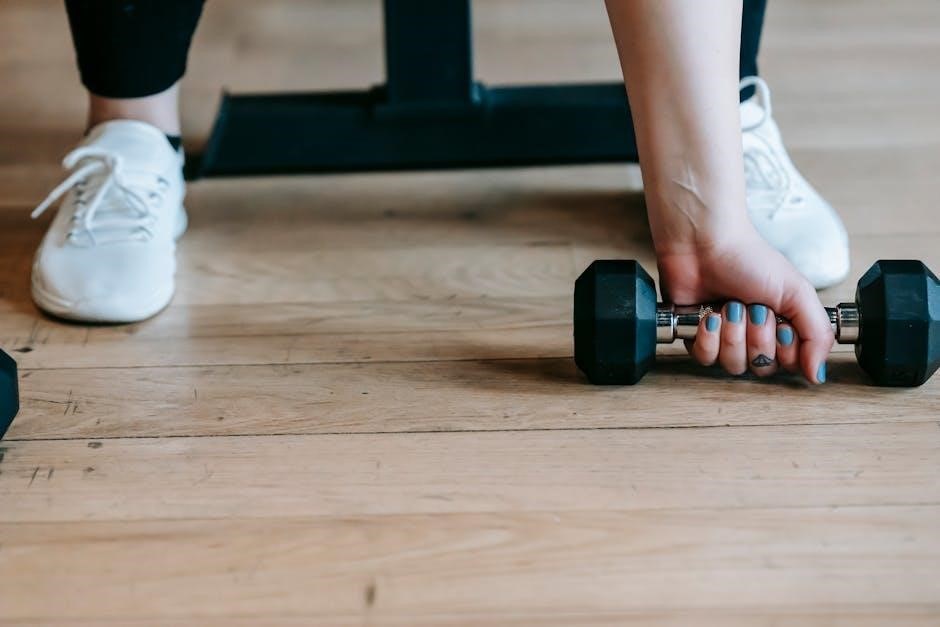
Introducing light weights requires a cautious and supervised approach, often detailed within a comprehensive youth strength training program PDF. Prioritize mastering proper form before adding any external load. Start with very light dumbbells – even 1-3 pounds – focusing on controlled movements and full range of motion.
A well-designed youth strength training program PDF will emphasize technique over weight, ensuring young athletes develop correct muscle activation patterns. Supervision by a qualified coach is crucial to correct form and prevent injuries.
Progress gradually, increasing weight only when the athlete consistently demonstrates perfect technique. Never allow ego to dictate weight selection; safety is paramount. Focus on exercises like dumbbell rows, bicep curls, and overhead presses with minimal resistance.
Sample Training Programs
Youth strength training program PDFs often include age-specific routines, progressing from bodyweight exercises to light resistance, fostering safe and effective development.
These programs cater to varying maturity levels, ensuring appropriate challenges and minimizing injury risk for young, growing athletes;
Beginner Program (8-11 years)
This program, often found within a comprehensive youth strength training program PDF, focuses on establishing fundamental movement patterns and building a base of muscular endurance. Sessions should be playful and emphasize proper form over weight or repetitions. A typical week includes two to three sessions, each lasting approximately 30-45 minutes.
Exercises include bodyweight squats (10-12 reps), push-ups against a wall or modified on knees (8-10 reps), lunges (5-6 reps per leg), and planks (15-30 seconds hold). Introduce animal walks like bear crawls and crab walks to enhance coordination and core stability. Light resistance bands can be incorporated for rows (10-12 reps) and bicep curls (10-12 reps), always prioritizing controlled movements.

Warm-up with dynamic stretches like arm circles and leg swings, and cool-down with static stretches holding each for 20-30 seconds. Supervision is crucial to ensure correct technique and prevent injuries. Focus on making it fun and encouraging a positive attitude towards physical activity!
Intermediate Program (12-14 years)
As detailed in many youth strength training program PDFs, this phase builds upon the foundational movements learned previously, introducing slightly more challenging exercises and increasing volume. Expect three sessions per week, lasting 45-60 minutes, with a focus on progressive overload.
Exercises now include bodyweight squats (12-15 reps), push-ups (8-12 reps), lunges (8-10 reps per leg), and planks (30-45 seconds hold). Introduce dumbbell rows (8-12 reps per arm) with light weights, and overhead presses (8-12 reps) focusing on controlled movements. Resistance band work can progress to more challenging band levels.
Core work expands to include bicycle crunches and Russian twists. A thorough warm-up with dynamic stretching and a cool-down with static stretching remain essential. Continued emphasis on proper form and supervised training is vital for safe progression and maximizing results.
Advanced Program (15-18 years)
Youth strength training program PDFs for this age group emphasize a more comprehensive approach, mirroring adult training principles with appropriate modifications. Expect four to five sessions weekly, 60-75 minutes each, incorporating compound lifts and specialized exercises.
This phase includes barbell squats, deadlifts (with proper instruction and supervision), bench press, and overhead press (8-12 reps). Accessory work targets specific muscle groups – pull-ups, dips, rows, and isolation exercises. Plyometrics, like box jumps and jump squats, enhance power development.
Periodization is introduced, varying intensity and volume over time. Advanced techniques like drop sets or supersets can be cautiously implemented. Nutrition and recovery become paramount, alongside continued focus on form and professional guidance. This program prepares athletes for collegiate or competitive levels.

Warm-up and Cool-down Routines
Youth strength training program PDFs consistently highlight the importance of dynamic warm-ups before exercise and static stretching post-workout for optimal results.
These routines enhance flexibility, prevent injuries, and promote recovery, ensuring a safe and effective training experience for young athletes.
Dynamic Stretching for Warm-up
Youth strength training program PDFs universally emphasize dynamic stretching as the cornerstone of a proper warm-up routine. Unlike static stretches, which involve holding a position, dynamic stretches utilize controlled movements through a full range of motion.
Examples include arm circles, leg swings, torso twists, and walking lunges – all designed to gradually increase blood flow to muscles, elevate body temperature, and improve joint mobility. This preparation is vital for enhancing performance and minimizing the risk of injury during subsequent strength training exercises.
A well-executed dynamic warm-up primes the neuromuscular system, improving reaction time and coordination. Focus should be on movements that mimic the exercises planned for the workout, further preparing the body for the specific demands it will face. Typically, a dynamic warm-up should last between 5-10 minutes, progressing from general movements to more sport-specific drills.
Static Stretching for Cool-down
Youth strength training program PDFs consistently recommend static stretching as an essential component of the cool-down phase. This involves holding each stretch for 15-30 seconds, focusing on major muscle groups worked during the training session.
Static stretches, such as hamstring stretches, quadriceps stretches, and calf stretches, help to increase flexibility, reduce muscle soreness, and improve range of motion. Performing these stretches when muscles are warm allows for greater lengthening and reduces the risk of injury.
The cool-down period facilitates a gradual return of the heart rate and blood pressure to resting levels. It’s crucial to avoid bouncing or forcing stretches, instead aiming for a gentle, sustained stretch. A proper cool-down, including static stretching, aids in recovery and prepares young athletes for their next training session.

Injury Prevention
Youth strength training program PDFs emphasize proper form, gradual progression, and adequate supervision to minimize injury risk for developing athletes.
Prioritizing technique and listening to the body are vital for safe and effective training, fostering long-term athletic health.
Common Injuries in Youth Strength Training
Youth strength training program PDFs often highlight potential injuries, emphasizing preventative measures. Common issues include growth plate injuries, particularly in adolescents whose bones are still developing; these require careful monitoring and appropriate loading.
Muscle strains and sprains are also frequent, often stemming from improper form or excessive weight. Overuse injuries, like tendonitis, can occur with repetitive movements without sufficient rest. Lower back pain can arise from poor technique during exercises like squats or deadlifts.
Shoulder impingement and wrist pain are also possibilities, especially with pressing movements. A well-designed program, detailed in a comprehensive PDF, will incorporate proper warm-up, cool-down, and progressive overload to mitigate these risks, alongside qualified supervision.
Importance of Supervision
Youth strength training program PDFs universally stress the critical role of qualified supervision. Young athletes require guidance to ensure correct form, minimizing injury risk and maximizing benefits. A trained coach can identify and correct technique flaws before they lead to problems.
Supervision isn’t simply spotting; it involves teaching proper movement patterns, appropriate weight selection, and recognizing signs of fatigue or discomfort. It also encompasses creating a safe and supportive environment, fostering confidence and motivation.
Detailed PDF guides often recommend a coach-to-athlete ratio that allows for individualized attention. Unsupervised training, especially with heavier weights, significantly increases the likelihood of injury. Prioritizing experienced oversight is paramount for safe and effective youth strength development.
Proper Nutrition for Young Athletes
Youth strength training program PDFs consistently highlight nutrition as a cornerstone of success. Adequate caloric intake fuels workouts and supports muscle recovery, crucial for growing bodies. A balanced diet rich in protein, carbohydrates, and healthy fats is essential.
Protein aids muscle repair and growth, while carbohydrates provide energy for training sessions. Healthy fats support hormone production and overall health. Hydration is also paramount; young athletes should drink plenty of water before, during, and after exercise.
Many PDF guides offer sample meal plans or guidelines for nutrient timing. Avoiding processed foods, sugary drinks, and excessive saturated fats is generally recommended. Proper nutrition complements training, maximizing performance and promoting long-term health.
Resources and Further Learning
Youth strength training program PDFs, websites, and qualified coaches offer valuable guidance. Continued education empowers safe and effective training practices for young athletes.
Recommended PDF Guides and Websites
Numerous PDF guides provide structured youth strength training programs, catering to various age groups and fitness levels. Searching online for “youth strength training program pdf” yields resources from organizations like the National Strength and Conditioning Association (NSCA) and various university athletic departments.
These guides often detail age-specific exercise progressions, emphasizing proper form and technique. Websites such as ActiveKids and Livestrong offer articles and sample workouts, though always prioritize resources created by certified professionals.
Furthermore, the American Academy of Pediatrics provides valuable insights into safe training practices. Remember to critically evaluate the source and ensure the program aligns with your child’s individual needs and abilities; Look for programs that prioritize fundamental movement skills before introducing complex exercises or heavy loads. Prioritize safety and proper instruction above all else.
Finding Qualified Youth Strength Coaches
Locating a certified youth strength coach is paramount for safe and effective training. While youth strength training program PDFs offer guidance, personalized instruction is invaluable. Seek coaches with certifications from reputable organizations like the NSCA (Certified Strength and Conditioning Specialist ⸺ CSCS) or USA Weightlifting (Youth Strength & Conditioning Coach).

Experience working specifically with young athletes is crucial; inquire about their background and training philosophy. A good coach will prioritize proper technique, progressive overload, and injury prevention;
Don’t hesitate to ask about their approach to modifying exercises for different skill levels and addressing individual needs. Websites like the NSCA’s “Find a Professional” directory can assist in your search. Verify credentials and request references to ensure a qualified and trustworthy coach.
Leave a Reply