
What Does an Instructional Assistant Do? ⸺ A Comprehensive Guide (Updated 02/17/2026)
Instructional Assistants facilitate learning through diverse methods‚ offering educational support‚ aiding with materials‚ and assisting students—promoting effective instruction within classrooms․
Instructional Assistants (IAs) are vital members of the educational team‚ working under the guidance of teachers to enhance the learning experience for all students․ Their role is multifaceted‚ encompassing direct support to students‚ assistance with classroom management‚ and crucial administrative tasks․ IAs contribute significantly to creating a positive and productive learning environment․
Essentially‚ they bridge the gap between teacher instruction and student understanding‚ offering personalized attention and reinforcing key concepts․ This support is particularly impactful for students with diverse learning needs‚ including those requiring one-on-one tutoring or specialized assistance․ The IA role is evolving‚ increasingly incorporating technology and collaborative practices to maximize student success․ They are instrumental in implementing lesson plans and providing valuable feedback․
II․ Defining “Instructional” ― Core Concepts
“Instructional” fundamentally relates to the act of teaching or providing knowledge․ It signifies anything designed to educate‚ train‚ or inform – a process central to the role of an Instructional Assistant․ This encompasses not just direct teaching‚ but also the preparation and delivery of materials intended to facilitate learning․ Synonyms include educational‚ didactic‚ and pedagogical‚ all highlighting the purpose of imparting skills or information․
Instructional materials are broad‚ ranging from textbooks and films to digital resources and hands-on activities․ For an IA‚ understanding this core concept means recognizing their contribution to a structured‚ purposeful learning experience․ They aren’t simply helping; they are actively involved in the instructional process itself‚ supporting the teacher’s efforts to educate and guide students․
A․ The Meaning of Instructional in Education
In education‚ “instructional” denotes activities and resources specifically intended to convey knowledge and skills․ It’s a deliberate process‚ guided by learning objectives and employing methods to effectively teach․ For an Instructional Assistant‚ this translates to supporting teachers in delivering these planned lessons and interventions․ It means understanding that every task‚ from preparing materials to assisting students‚ directly contributes to the overall instructional goals․
Instructional practices are varied‚ encompassing direct instruction‚ collaborative learning‚ and individualized support․ An IA’s role is to facilitate these practices‚ ensuring students have access to the resources and assistance they need to succeed․ Essentially‚ “instructional” in this context defines the core purpose of the educational environment – and the IA is integral to that purpose․
B․ Instructional Synonyms and Related Terms
Synonyms for “instructional” illuminate the scope of an Instructional Assistant’s duties․ Terms like “educational‚” “teaching‚” and “pedagogical” all relate to the core function of facilitating learning․ “Directive” and “informative” highlight the guidance aspect‚ while “training” emphasizes skill development—all areas where IAs contribute․ Related terms‚ such as “curriculum-based‚” underscore the importance of aligning support with established learning plans․
Understanding these connections is crucial․ An IA isn’t simply helping; they’re actively participating in the educational process․ They’re supporting teaching strategies and contributing to a pedagogical environment․ Recognizing these nuances clarifies the IA’s role as a vital component of effective instruction‚ not merely an assistant to tasks․
C․ Instructional Materials: A Broad Overview
Instructional materials encompass a vast range of resources that Instructional Assistants frequently handle․ These include textbooks‚ workbooks‚ and supplementary readings designed to convey knowledge․ Visual aids like charts‚ diagrams‚ and videos are also common‚ requiring preparation and setup․ Increasingly‚ digital resources – educational software‚ online platforms‚ and interactive simulations – demand IA support․
An IA’s role extends beyond simply distributing these materials․ They often prepare them for use‚ ensuring accessibility for diverse learners․ This might involve adapting materials‚ creating copies‚ or organizing resources for specific lessons․ Understanding the purpose and effective use of each material is key to supporting impactful instruction․
III․ Core Responsibilities of an Instructional Assistant
Instructional Assistants shoulder significant responsibilities centered around supporting both students and teachers․ Primarily‚ they provide direct assistance to students‚ offering one-on-one tutoring or facilitating small group instruction to reinforce learning․ A crucial aspect involves assisting students with special needs‚ implementing individualized education programs (IEPs) under teacher guidance․
Beyond direct student support‚ IAs contribute to classroom management‚ fostering a positive learning environment and assisting with behavioral strategies․ They also handle essential administrative and preparatory tasks‚ like preparing materials and meticulously maintaining student records‚ contributing to data collection for progress monitoring․
A․ Direct Student Support
Direct student support forms a cornerstone of the Instructional Assistant’s role․ This encompasses providing individualized attention through one-on-one tutoring sessions‚ clarifying concepts‚ and reinforcing lessons presented by the teacher․ Facilitating small group instruction allows IAs to cater to specific learning needs and promote collaborative learning experiences․
Critically‚ IAs offer vital assistance to students with special needs‚ implementing accommodations and modifications outlined in Individualized Education Programs (IEPs)․ This support ensures inclusive learning‚ fostering academic and personal growth for all students‚ while consistently working under the direction of the supervising teacher․
One-on-One Tutoring and Small Group Instruction
One-on-one tutoring allows Instructional Assistants to provide focused academic support‚ addressing individual student challenges and reinforcing classroom learning․ This personalized attention helps students grasp difficult concepts and build confidence․ Similarly‚ small group instruction enables IAs to cater to specific skill deficits or learning styles‚ fostering a collaborative environment․
IAs often reteach material‚ provide extra practice‚ and offer alternative explanations‚ always aligning with the teacher’s lesson plans․ These targeted interventions are crucial for student success‚ promoting deeper understanding and skill mastery․ Effective implementation requires patience‚ adaptability‚ and strong communication skills to meet diverse student needs․
Assisting Students with Special Needs
Instructional Assistants play a vital role in supporting students with diverse learning needs‚ implementing Individualized Education Programs (IEPs) under teacher guidance․ This includes providing modifications and accommodations‚ such as extended time‚ simplified instructions‚ or assistive technology․ IAs help students access the curriculum and participate fully in classroom activities․
They may also assist with physical needs‚ behavioral support‚ and social-emotional learning‚ fostering an inclusive environment․ Patience‚ empathy‚ and a commitment to individualized support are essential․ Collaboration with special education teachers and related service providers ensures students receive appropriate and effective assistance‚ maximizing their potential for growth and achievement․
B․ Classroom Management Assistance
Instructional Assistants significantly contribute to a well-managed learning environment‚ supporting teachers in maintaining order and fostering positive behavior․ This involves assisting with routines‚ transitions‚ and monitoring student conduct during various activities․ IAs help redirect disruptive behaviors and encourage appropriate interactions‚ promoting a respectful atmosphere․
They may also assist in implementing behavioral strategies outlined in behavior intervention plans‚ providing consistent support and reinforcement․ By proactively addressing classroom dynamics‚ IAs free up the teacher to focus on instruction‚ ensuring all students benefit from a focused and productive learning experience․ A calm and supportive presence is key․
Maintaining a Positive Learning Environment
Instructional Assistants are crucial in cultivating a welcoming and supportive classroom atmosphere where all students feel safe‚ respected‚ and encouraged to learn․ This involves actively promoting positive interactions between students‚ modeling appropriate behavior‚ and offering encouragement․ IAs help create a space where students are comfortable taking risks and participating actively․
They assist in fostering a sense of community and belonging‚ recognizing and celebrating student achievements‚ and providing emotional support when needed․ By proactively addressing potential conflicts and promoting empathy‚ IAs contribute to a positive classroom culture that enhances learning for everyone․ A positive environment is essential for student success․
Supporting Behavioral Strategies
Instructional Assistants play a vital role in implementing and reinforcing behavioral strategies designed to support students’ positive conduct․ Working closely with teachers‚ IAs help to consistently apply established classroom management techniques and individualized behavior plans․ This includes providing prompts and cues to encourage desired behaviors‚ redirecting inappropriate actions‚ and documenting observed patterns․
They assist in de-escalating challenging situations‚ offering positive reinforcement for appropriate behavior‚ and helping students develop self-regulation skills․ IAs contribute to a proactive approach to behavior management‚ fostering a classroom environment where students learn to make responsible choices and develop positive social-emotional skills‚ ultimately promoting a productive learning atmosphere․
C․ Administrative and Preparatory Tasks
Instructional Assistants significantly contribute to the smooth operation of the classroom through essential administrative and preparatory duties․ These tasks include meticulously preparing instructional materials – copying‚ collating‚ and organizing worksheets‚ handouts‚ and learning centers․ IAs also maintain accurate record-keeping‚ assisting with data collection on student performance and progress‚ which informs instructional decisions․
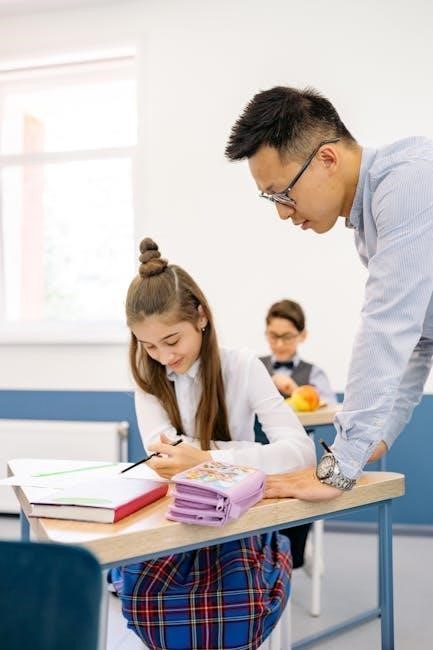
Furthermore‚ they often manage classroom resources‚ ensuring supplies are readily available and organized․ They may assist with tasks like filing‚ creating bulletin board displays‚ and setting up equipment for lessons․ These behind-the-scenes contributions free up teachers’ time‚ allowing them to focus on direct instruction and individualized student support․
Preparing Classroom Materials
Instructional Assistants play a vital role in preparing the diverse materials needed for effective lessons․ This encompasses a range of tasks‚ from photocopying and collating worksheets and handouts to assembling learning packets and creating visual aids․ They often organize materials into learning centers‚ ensuring accessibility for students during independent work․
IAs may also assist in creating bulletin board displays‚ laminating materials for durability‚ and gathering necessary supplies for specific activities․ Preparing materials extends to setting up technology‚ like projectors or interactive whiteboards‚ before lessons begin․ This proactive preparation minimizes disruptions and maximizes instructional time‚ supporting a well-organized learning environment․
Record Keeping and Data Collection
Instructional Assistants frequently contribute to maintaining accurate student records and collecting valuable data to inform instruction․ This can involve tracking student attendance‚ recording scores on assignments and assessments‚ and organizing student work samples․ They may assist teachers in compiling data for progress monitoring‚ identifying students who require additional support‚ or documenting behavioral observations․
IAs often input data into spreadsheets or specialized educational software‚ ensuring information is readily accessible for analysis․ Maintaining confidentiality and adhering to privacy regulations are paramount in this role․ Accurate record-keeping and data collection provide teachers with insights to tailor instruction and support each student’s individual needs effectively․
IV․ Specific Tasks & Duties

Instructional Assistants perform a wide array of specific tasks daily‚ directly supporting the educational process․ These duties encompass assisting with diverse learner needs‚ including English Language Learners (ELLs) by providing tailored support and adapting materials for varied learning styles․ They also integrate technology‚ aiding students with educational software and digital learning platforms;
Crucially‚ IAs collaborate closely with teachers‚ implementing lesson plans with fidelity and offering valuable feedback on student progress․ This collaborative effort ensures consistent and effective instruction․ Further tasks include preparing visual aids‚ managing classroom resources‚ and supervising students during various activities‚ contributing to a smooth and productive learning environment․
A․ Working with Diverse Learners
Instructional Assistants play a vital role in supporting students with varied learning needs․ This includes providing specialized assistance to English Language Learners (ELLs)‚ helping them navigate language barriers and access curriculum content effectively․ IAs adapt instructional materials to accommodate different learning styles – visual‚ auditory‚ and kinesthetic – ensuring inclusivity․
They may also work closely with students who have Individualized Education Programs (IEPs)‚ offering one-on-one support and implementing specific accommodations as directed by the teacher․ Creating a welcoming and accessible learning environment for all students is paramount‚ fostering a sense of belonging and promoting academic success for every learner․
Supporting English Language Learners (ELLs)
Instructional Assistants provide crucial support to English Language Learners (ELLs) by bridging communication gaps and fostering language acquisition․ This often involves clarifying instructions‚ pre-teaching vocabulary‚ and offering translations when appropriate‚ ensuring ELLs comprehend lesson content․ IAs may utilize visual aids and graphic organizers to enhance understanding․
They also assist with language practice activities‚ encouraging ELLs to participate in classroom discussions and build confidence in their English skills․ Collaboration with the classroom teacher is key to implementing effective strategies tailored to each student’s language proficiency level‚ promoting academic and linguistic growth․
Adapting Materials for Different Learning Styles
Instructional Assistants play a vital role in differentiating instruction to meet diverse learning needs․ This involves modifying materials to cater to visual‚ auditory‚ and kinesthetic learners․ IAs might create simplified texts‚ design visual representations of concepts‚ or develop hands-on activities to reinforce understanding․
They can also assist in breaking down complex tasks into smaller‚ manageable steps and providing alternative assessment options․ By adapting materials‚ IAs ensure all students have equitable access to learning‚ fostering a more inclusive and effective classroom environment․ Collaboration with the teacher is essential to align adaptations with learning objectives․
B․ Technology Integration
Instructional Assistants increasingly support technology integration in the classroom․ This includes assisting students with educational software‚ troubleshooting technical issues‚ and ensuring smooth operation of digital learning platforms․ IAs help students navigate online resources‚ access digital assignments‚ and utilize interactive learning tools․

They may also assist teachers in preparing digital materials‚ managing online learning environments‚ and monitoring student progress within these platforms․ Familiarity with common educational technologies is crucial․ By facilitating technology use‚ IAs enhance student engagement and prepare them for a digitally-driven world‚ supporting modern pedagogical approaches․
Assisting with Educational Software
Instructional Assistants play a vital role in supporting students’ use of educational software․ This often involves providing one-on-one or small group assistance as students learn new programs and navigate digital lessons․ IAs help students troubleshoot common software issues‚ ensuring they can access and utilize the learning tools effectively․
They may also reinforce concepts taught within the software‚ answer questions‚ and monitor student progress․ Familiarity with various educational applications – from reading programs to math simulations – is key․ By providing this support‚ IAs maximize the benefits of technology-enhanced learning and foster student independence․
Supporting Digital Learning Platforms
Instructional Assistants are increasingly crucial in supporting teachers with digital learning platforms like Google Classroom‚ Canvas‚ or similar systems․ They assist with tasks such as uploading assignments‚ managing student submissions‚ and ensuring all materials are accessible online․ IAs help monitor student activity within these platforms‚ identifying those who may be struggling or falling behind․
Furthermore‚ they can provide technical support to students experiencing difficulties logging in or navigating the platform․ They may also assist in creating and organizing digital content․ By streamlining the use of these platforms‚ IAs free up teachers to focus on direct instruction and individualized student support‚ enhancing the overall digital learning experience․
C․ Collaboration with Teachers

Instructional Assistants function as vital partners to teachers‚ working collaboratively to maximize student learning․ This involves actively participating in implementing lesson plans‚ ensuring activities run smoothly‚ and providing real-time feedback on student understanding․ IAs contribute by observing student performance and relaying valuable insights to the teacher․
They assist in preparing materials for lessons and may even co-create resources․ Crucially‚ IAs offer feedback on student progress‚ helping teachers identify areas where students excel or require additional support․ This collaborative approach ensures a cohesive and effective learning environment‚ allowing teachers to tailor instruction to meet individual student needs and optimize classroom management․
Implementing Lesson Plans

Instructional Assistants play a key role in bringing lesson plans to life within the classroom setting․ This involves setting up necessary materials‚ organizing learning stations‚ and assisting students with activities as directed by the teacher․ IAs ensure that students understand instructions and stay on task‚ providing guidance and support throughout the lesson․
They may lead small group activities‚ reinforce concepts taught by the teacher‚ and monitor student engagement․ Effective implementation requires flexibility and the ability to adapt to changing classroom dynamics․ By skillfully executing lesson plans‚ IAs contribute significantly to a structured and productive learning environment‚ maximizing student participation and comprehension․
Providing Feedback on Student Progress
Instructional Assistants contribute to monitoring and documenting student performance‚ offering valuable insights to teachers․ This often involves observing students during activities‚ noting areas of strength and challenge‚ and collecting data on individual progress․ IAs can provide immediate‚ targeted feedback to students‚ reinforcing positive behaviors and offering encouragement․

While not responsible for formal grading‚ they assist in tracking student work and identifying those who may need additional support․ This information is then relayed to the teacher‚ informing instructional decisions and allowing for personalized interventions․ Consistent feedback‚ both to students and teachers‚ is crucial for fostering growth and ensuring academic success․
V․ Required Skills and Qualifications
Instructional Assistants typically need a high school diploma‚ though some positions may prefer or require an associate’s or bachelor’s degree․ Crucially‚ strong communication and interpersonal skills are essential for interacting effectively with students‚ teachers‚ and parents․ Patience and adaptability are also vital‚ as IAs work with diverse learners and changing classroom dynamics․
Relevant certifications‚ such as a Paraprofessional Certification‚ can significantly enhance employment prospects․ Beyond formal education‚ a genuine desire to support student learning and a proactive attitude are highly valued․ The ability to follow instructions‚ maintain confidentiality‚ and work collaboratively completes the skillset․
A․ Essential Soft Skills
Instructional Assistants require a robust set of soft skills to thrive․ Communication and interpersonal skills are paramount‚ enabling effective interaction with students‚ teachers‚ and parents․ The ability to clearly convey information‚ actively listen‚ and build rapport is crucial․ Equally important is patience; understanding that students learn at different paces and may require repeated explanations․
Adaptability is key‚ as IAs must adjust to changing classroom needs and student behaviors․ Problem-solving skills‚ a positive attitude‚ and the capacity to remain calm under pressure are also highly beneficial․ Empathy and a genuine desire to help students succeed round out the essential soft skill profile․
Communication and Interpersonal Skills
Effective communication is central to an Instructional Assistant’s role‚ demanding clarity when conveying instructions to students and providing feedback․ Strong interpersonal skills foster positive relationships‚ building trust and encouraging student participation․ IAs must actively listen to student concerns‚ responding with empathy and understanding․
This involves both verbal and non-verbal cues‚ ensuring messages are received as intended․ Collaboration with teachers requires concise and respectful communication‚ sharing observations and insights․ The ability to mediate conflicts and maintain a professional demeanor are also vital․ Ultimately‚ these skills create a supportive and inclusive learning environment․
Patience and Adaptability
Patience is paramount for Instructional Assistants‚ as they work with students exhibiting diverse learning paces and needs․ Remaining calm and supportive‚ even when facing challenges‚ is crucial for fostering a positive learning atmosphere․ Adaptability is equally important‚ requiring IAs to adjust their approach based on individual student requirements and evolving classroom dynamics․

Unexpected situations frequently arise‚ demanding quick thinking and flexibility․ IAs must be willing to modify lesson delivery‚ provide alternative explanations‚ and embrace new strategies․ A proactive mindset and willingness to learn are essential for navigating these changes effectively‚ ensuring all students receive appropriate support․
B․ Educational Requirements
Generally‚ a high school diploma is the minimum educational requirement to become an Instructional Assistant․ However‚ many school districts increasingly prefer or require candidates to possess an associate’s degree or bachelor’s degree‚ particularly for roles involving greater responsibility․ These higher qualifications demonstrate a commitment to education and enhanced understanding of pedagogical principles․
Relevant certifications‚ such as a Paraprofessional Certification‚ are often mandated or highly valued․ These certifications validate an IA’s knowledge of effective instructional techniques and their ability to support students with diverse needs; Specific requirements vary by state and district‚ so researching local regulations is crucial for prospective IAs․

High School Diploma vs․ Associate’s/Bachelor’s Degree
A high school diploma provides a foundational entry point‚ enabling IAs to perform basic support tasks․ However‚ associate’s and bachelor’s degrees unlock opportunities for increased responsibility and potentially higher pay․ These degrees demonstrate a deeper understanding of child development‚ learning theories‚ and classroom management․
Higher education often qualifies IAs for roles involving more individualized student support‚ assisting with lesson planning‚ or leading small group instruction․ Furthermore‚ a degree can be a stepping stone towards becoming a teacher‚ offering a clear career pathway․ Districts often prioritize candidates with advanced degrees when filling specialized positions․
Relevant Certifications (e․g․‚ Paraprofessional Certification)
Paraprofessional certifications are frequently required‚ demonstrating competency in assisting educators and supporting student learning․ These credentials often involve passing an exam assessing skills in reading‚ writing‚ and mathematics‚ alongside understanding educational principles․ Certification validates an IA’s ability to effectively implement instructional strategies․
Additional certifications‚ like those in special education or first aid/CPR‚ enhance an IA’s skillset and broaden their role․ They signal a commitment to professional development and a dedication to student well-being․ Employers often favor candidates possessing relevant certifications‚ recognizing their value in providing quality support within the classroom environment․
VI․ The Instructional Assistant’s Role in Student Assessment
Instructional Assistants play a crucial‚ though indirect‚ role in student assessment․ They often assist teachers by collecting data during activities‚ observing student performance‚ and documenting progress․ This observational data provides valuable insights into individual student needs and informs instructional decisions․

IAs may help prepare assessment materials‚ administer quizzes under teacher supervision‚ and record student responses․ While they typically don’t grade assessments independently‚ their contributions are vital for efficient assessment processes․ Accurate data collection and attentive observation empower teachers to tailor instruction and monitor student growth effectively‚ ultimately enhancing learning outcomes․
VII․ Career Outlook and Potential for Advancement
The career outlook for Instructional Assistants remains positive‚ driven by continued demand for classroom support․ Growth is projected alongside increasing student enrollment and a focus on inclusive education․ Experienced IAs can advance through professional development‚ acquiring specialized skills in areas like special education or early childhood development․
Potential pathways include becoming a lead instructional assistant‚ taking on mentorship roles‚ or pursuing further education to become a teacher․ Certifications and associate degrees can significantly enhance career prospects and earning potential․ Dedicated IAs contribute significantly to student success and have opportunities for long-term career growth within the education sector․
Leave a Reply