
Dicho y Hecho 11th Edition PDF: A Comprehensive Overview
Dicho y Hecho, 11th edition, is a communicative, research-based Spanish program, fully updated and redesigned for modern learners. It’s class-tested and effective!
This introductory course provides a solid foundation in Spanish, utilizing a communicative approach and incorporating current research in language acquisition.
What is Dicho y Hecho?
Dicho y Hecho is a widely-used, communicative introductory Spanish program renowned for its research-based methodology and proven class-tested effectiveness. The 11th edition represents a significant update and redesign, building upon decades of success in helping students achieve fluency.
At its core, Dicho y Hecho prioritizes practical communication skills. It’s designed to equip learners with the ability to engage in real-world conversations from the very beginning. The program emphasizes a balanced approach to language learning, integrating grammar, vocabulary, and cultural insights seamlessly.
This edition continues to be a trusted resource for both instructors and students, offering a comprehensive and engaging pathway to Spanish proficiency. It’s a program built on solid pedagogical principles and a commitment to student success.
Core Principles of the Program
Dicho y Hecho’s foundation rests upon several key principles. Primarily, it’s a communicative program, prioritizing students’ ability to use Spanish in practical, real-world scenarios. This is supported by a research-based methodology, incorporating insights from language acquisition studies to optimize learning.
The program emphasizes contextualized learning, presenting language within authentic cultural settings. Grammar is introduced strategically, not as an isolated element, but as a tool to enhance communication. Vocabulary acquisition is also prioritized, with frequent repetition and reinforcement.
Furthermore, Dicho y Hecho champions cultural understanding, fostering appreciation for the diverse Spanish-speaking world. These principles combine to create a dynamic and effective learning experience.
Communicative Approach
Dicho y Hecho’s core strength lies in its unwavering commitment to a communicative approach. This means prioritizing meaningful interaction and practical language use from the very beginning. Students aren’t simply memorizing grammar rules; they’re actively using Spanish to express themselves.

Activities are designed to simulate real-life conversations and situations, encouraging students to negotiate meaning and overcome communication challenges. The program emphasizes fluency over perfection, fostering confidence and reducing anxiety.
Role-playing, pair work, and group projects are integral components, providing ample opportunities for students to practice speaking and listening. This immersive environment accelerates language acquisition and builds communicative competence.
Research-Based Methodology
Dicho y Hecho isn’t built on assumptions; it’s grounded in solid linguistic research. The program’s methodology reflects current understandings of how languages are most effectively learned. This includes a focus on input comprehensibility – ensuring students receive language they can understand, even if it’s initially challenging.
The sequencing of grammatical structures is carefully planned, building from simpler concepts to more complex ones. Repetition and reinforcement are strategically incorporated to aid retention.
Furthermore, the program acknowledges the importance of affective factors, creating a supportive and engaging learning environment. This research-driven approach maximizes learning potential and ensures lasting results.
Class-Tested Effectiveness
Dicho y Hecho’s enduring success isn’t accidental; it’s the result of extensive classroom testing and refinement over numerous editions. The 11th edition builds upon decades of practical experience, incorporating feedback from both instructors and students.
This iterative process ensures that the materials are not only theoretically sound but also genuinely effective in real-world learning environments. Activities and exercises have been carefully calibrated to match the needs and abilities of typical learners.
The program’s proven track record demonstrates its ability to help students achieve communicative competence in Spanish, fostering confidence and fluency.
Key Features of the 11th Edition
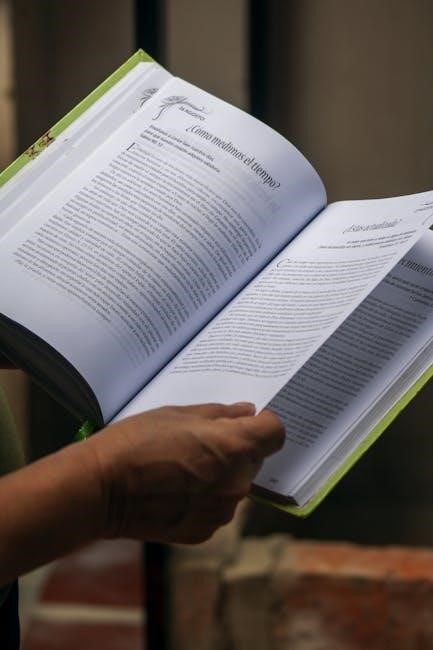
Dicho y Hecho’s 11th edition boasts a full update and redesign, enhanced visuals, improved audio, and new cultural content for a dynamic learning experience.
Full Update and Redesign
Dicho y Hecho’s 11th edition underwent a complete overhaul, representing a significant investment in modernizing the learning experience. This isn’t merely a revision; it’s a full redesign, impacting every aspect of the program. The updates reflect current pedagogical best practices and address the evolving needs of today’s Spanish language learners.
Content has been meticulously reviewed and revised to ensure accuracy, relevance, and cultural sensitivity. The layout and design have been refreshed for improved clarity and visual appeal, making the material more engaging and accessible. This comprehensive update aims to provide students with a more effective and enjoyable path to Spanish fluency, solidifying Dicho y Hecho’s position as a leading introductory program.
Enhanced Visuals
The 11th edition of Dicho y Hecho boasts significantly enhanced visuals designed to immerse learners in the Spanish-speaking world. New, vibrant photographs and illustrations are integrated throughout the textbook, providing authentic cultural context and making the learning process more engaging. These aren’t simply decorative additions; they actively support comprehension and vocabulary acquisition.
The updated design prioritizes clarity and visual appeal, breaking up text and highlighting key concepts. Infographics and charts present information in a digestible format, while carefully selected images reinforce cultural understanding. These visual improvements cater to diverse learning styles and contribute to a more dynamic and effective learning experience, truly bringing the Spanish language to life;
Improved Audio Components
Dicho y Hecho’s 11th edition features substantially improved audio components, crucial for developing listening comprehension and pronunciation skills. All audio materials have been re-recorded with native speakers, ensuring authentic accents and clear articulation. These recordings encompass dialogues, vocabulary drills, and cultural presentations, providing diverse listening practice.
The enhanced audio is seamlessly integrated with the digital textbook, allowing students to easily access and utilize the materials. Interactive exercises accompany the audio, prompting students to actively engage with the content. Improved sound quality and a wider range of listening activities contribute to a more immersive and effective learning experience, fostering fluency and confidence in spoken Spanish.
New Cultural Content
Dicho y Hecho’s 11th edition significantly expands its cultural content, offering students a richer understanding of the Spanish-speaking world. New materials explore diverse aspects of Hispanic cultures, including traditions, art, music, and contemporary life. These additions move beyond stereotypical representations, presenting a nuanced and authentic portrayal of various communities.
The updated cultural sections are integrated throughout the chapters, connecting language learning with real-world contexts. Students encounter authentic materials like videos, articles, and images, fostering intercultural competence. This enhanced cultural immersion motivates students and deepens their appreciation for the diversity within the Spanish-speaking world, making the learning process more engaging and meaningful.

Content Breakdown: Chapters and Themes
Dicho y Hecho’s chapters cover essential themes, from introductions and greetings to daily life, including vocabulary for home objects and rooms, fostering practical language skills.
Chapter 1 of Dicho y Hecho meticulously lays the groundwork for basic Spanish communication. Students are introduced to fundamental greetings – Hola, Buenos días, Buenas tardes, and Buenas noches – alongside essential phrases for introducing themselves and others.

The chapter emphasizes proper etiquette and cultural nuances associated with Spanish greetings, moving beyond simple translation. Learners practice asking and answering questions about names, origins, and well-being.
Vocabulary includes key terms for personal identification and polite conversation starters. Interactive exercises and dialogues reinforce these concepts, preparing students for real-world interactions. This foundational chapter builds confidence and sets the stage for more complex language learning throughout the program.
Chapter 10: At Home – Vocabulary
Chapter 10 of Dicho y Hecho focuses on building vocabulary related to the home environment. Students encounter essential terms for various rooms – el comedor (dining room) and el dormitorio/la habitación (bedroom) – forming the basis for describing their living spaces.
Key household objects are introduced, including el lavabo (bathroom sink), la cafetera (coffee machine), and el fregadero (kitchen sink). The chapter emphasizes gender agreement and article usage with these nouns.
Interactive activities and contextualized dialogues allow learners to practice using the new vocabulary in practical scenarios. Students will learn to describe their homes and ask others about theirs, solidifying their understanding of spatial vocabulary and everyday objects.
Household Objects (Lavabo, Cafetera, Fregadero)
Dicho y Hecho dedicates specific attention to common household objects, crucial for everyday conversation. Students learn el lavabo, meaning bathroom sink, a fundamental element of any bathroom setting. They also encounter la cafetera, the coffee machine, reflecting a common morning routine in many households.
Furthermore, the textbook introduces el fregadero, translating to kitchen sink, essential for understanding kitchen-related vocabulary. Mastering these terms, alongside their corresponding articles (el/la), is vital for accurate sentence construction.
The program reinforces learning through contextualized exercises, enabling students to confidently discuss and identify these objects within a home environment.
Rooms in the House (Comedor, Dormitorio)

Dicho y Hecho systematically introduces key rooms within a house, building essential vocabulary for describing one’s living space. Students will learn el comedor, which translates to the dining room – the space dedicated to meals and family gatherings. Equally important is el dormitorio (or la habitación), meaning the bedroom, a private space for rest and relaxation.
The 11th edition emphasizes correct gender agreement, teaching students to use el or la appropriately with each room name. Contextual exercises and dialogues further solidify understanding.
This focused approach allows learners to confidently discuss their homes and understand descriptions of others’ residences.
Chapter-Specific Vocabulary Focus
Dicho y Hecho, 11th edition, excels in its targeted vocabulary approach within each chapter. Rather than overwhelming learners, the program introduces new words and phrases thematically, ensuring practical application. For instance, Chapter 10 concentrates on household items and rooms, providing a cohesive learning experience.
The PDF version of the textbook reinforces this focus through visual aids and interactive exercises. Students encounter vocabulary repeatedly in diverse contexts, aiding retention.
This deliberate method builds confidence and fluency, allowing learners to actively participate in conversations related to the chapter’s theme.

Accessing the Dicho y Hecho 11th Edition PDF
Access to the Dicho y Hecho 11th edition PDF is available through official publisher resources and authorized online retailers. Beware of illegal downloads!
Official Publisher Resources
The primary and most reliable source for obtaining the Dicho y Hecho 11th Edition PDF is directly through the official publisher’s website. This ensures you receive a legitimate, high-quality version of the textbook, free from malware or corrupted files often associated with unofficial sources.
Typically, publishers offer various digital formats, including PDF, alongside options for online access or integration with learning management systems. Purchasing directly supports the creators and guarantees access to any supplemental materials, updates, or instructor resources that may be available. Check for bundled options that might include access to interactive exercises, audio recordings, and other valuable learning tools. Always prioritize official channels for a secure and complete learning experience.
Authorized Online Retailers
Beyond the publisher’s website, several authorized online retailers offer the Dicho y Hecho 11th Edition PDF for purchase. These include major booksellers like Amazon, Barnes & Noble, and Chegg, as well as academic-focused platforms. Purchasing from these sources provides a degree of security and legitimacy, ensuring you receive a genuine copy of the textbook.
Authorized retailers often offer competitive pricing, student discounts, and convenient delivery options. Be sure to verify the seller’s credentials and read customer reviews before making a purchase. Look for retailers that offer digital rights management (DRM)-free PDFs for greater flexibility in accessing and using the material. Always confirm compatibility with your devices before finalizing your order.
Potential PDF Availability and Legality
Finding a Dicho y Hecho 11th Edition PDF online is possible, but its legality is a significant concern. While some websites may offer free downloads, these are often unauthorized copies infringing on copyright laws. Downloading and using such PDFs is illegal and unethical, potentially leading to legal repercussions for the user.
Legally obtaining the PDF requires purchasing it from authorized sources, like the publisher or reputable online retailers. Be wary of websites promising free downloads, as they may contain malware or viruses. Supporting legitimate channels ensures the creators are compensated and encourages continued development of quality educational materials.
Risks of Unofficial PDF Downloads
Downloading a Dicho y Hecho 11th Edition PDF from unofficial sources carries substantial risks. These PDFs often harbor malware, viruses, and other malicious software that can compromise your device and personal information. Such files can lead to identity theft, data breaches, and system damage, resulting in significant financial and personal costs.
Furthermore, unofficial PDFs may be incomplete, contain errors, or lack crucial interactive elements present in the official version. Using a compromised PDF hinders your learning experience and potentially provides inaccurate information. Prioritize legal and secure sources to protect your digital well-being and ensure access to a reliable, high-quality learning resource.

Using the PDF Effectively
Maximize your learning with the Dicho y Hecho PDF! Utilize its navigation, interactive features, annotation tools, and selective chapter printing for optimal study.
Navigating the Digital Textbook
Effectively utilizing the Dicho y Hecho 11th Edition PDF requires understanding its digital structure. Most PDF readers, like Adobe Acrobat, offer a table of contents for quick chapter access.
Hyperlinks within the text connect to glossaries, audio files, and supplemental exercises. Utilize the search function to locate specific vocabulary or grammar points swiftly. Zooming capabilities allow for comfortable reading on various devices.
Familiarize yourself with the bookmarking feature to save important sections for easy retrieval. The PDF’s layout mirrors the physical textbook, aiding in a seamless transition between formats. Regularly updating your PDF reader ensures optimal performance and feature compatibility.
Utilizing Interactive Features
The Dicho y Hecho 11th Edition PDF enhances learning through integrated interactive elements. Embedded audio files allow for pronunciation practice and listening comprehension exercises. Clickable links direct users to online activities and supplementary materials, enriching the learning experience.
Many PDFs support form-fillable exercises, enabling students to complete assignments directly within the document. Interactive quizzes provide immediate feedback on progress. Explore the PDF’s multimedia capabilities for a dynamic and engaging study session.
Ensure your PDF reader supports these features for full functionality. These interactive tools transform the PDF from a static text into a vibrant learning platform.
Printing Selected Chapters
When working with the Dicho y Hecho 11th Edition PDF, printing specific chapters can be beneficial for focused study. Most PDF readers allow you to select page ranges for printing, conserving paper and resources. Before printing, review the print preview to ensure correct formatting and page order.
Consider printing in grayscale to reduce ink consumption. Adjust print settings for optimal quality based on your needs – draft mode for quick review, or high quality for detailed study. Remember to check for copyright restrictions before reproducing large portions of the textbook.
Efficient printing enhances the usability of the PDF, providing a tangible study aid.
Annotation and Highlighting Tools
The Dicho y Hecho 11th Edition PDF excels with its interactive features, notably annotation and highlighting tools. These tools transform the digital textbook into a dynamic learning environment. Utilize highlighting to emphasize key vocabulary, grammar points, and cultural insights within each chapter.
Annotation features allow you to add personalized notes, translations, or questions directly onto the PDF pages. This fosters active reading and deeper comprehension. Most PDF readers offer a variety of annotation options, including text boxes, sticky notes, and drawing tools.
Effectively using these tools maximizes the PDF’s learning potential.

Dicho y Hecho and Zoom Integration (Related API Discussions)
While Dicho y Hecho doesn’t directly integrate with Zoom, API discussions focus on Zoom functionalities like meeting creation, summaries, recordings, and surveys.
Zoom API and Meeting Creation
The Zoom API facilitates programmatic meeting creation, a crucial aspect for integrating language learning platforms like those potentially used alongside Dicho y Hecho. Developers can leverage the API to automate scheduling, configure meeting settings (including enabling recordings and surveys), and manage participant access. This allows for seamless integration with learning management systems or custom applications designed to enhance the Spanish learning experience.
Specifically, the API enables setting meeting types, security options, and even pre-assigning participants. The ability to create meetings via API is vital for automating class sessions or virtual tutoring, complementing the textbook’s content. Furthermore, the API supports creating recurring meetings, streamlining the scheduling process for consistent language practice.
Zoom API for Call Summaries
Leveraging the Zoom API for AI-generated call summaries presents exciting possibilities for language learners using resources like Dicho y Hecho. These summaries, accessible via the ai_call_summary_id in the call log details, can provide valuable post-session review material. Students can analyze transcripts to reinforce vocabulary and grammar concepts presented in the textbook.
Imagine reviewing a conversation practice session focused on Dicho y Hecho’s Chapter 10 vocabulary (household items, rooms). The API-retrieved summary could highlight instances of correct and incorrect usage, aiding targeted improvement. This feature enhances self-assessment and provides instructors with insights into student performance, supplementing traditional learning methods.
Zoom API for Recording Meetings
Integrating Zoom’s recording capabilities with language learning materials like Dicho y Hecho, 11th edition, offers powerful pedagogical benefits. The Zoom API allows programmatic control over meeting recordings, enabling automated capture of Spanish conversation practice sessions. Students can then revisit these recordings to reinforce concepts from chapters like Chapter 1, focusing on introductions and greetings.
For example, a recording of a role-playing exercise utilizing vocabulary from Chapter 10 (household objects) provides authentic listening practice. The API facilitates easy access to these recordings for self-study or instructor review, enhancing comprehension and fluency. This complements the Dicho y Hecho textbook’s exercises effectively.
Zoom API and Meeting Surveys
Leveraging Zoom’s API with meeting surveys can significantly enhance the learning experience when using Dicho y Hecho, 11th edition. Post-session surveys allow instructors to gauge student understanding of concepts covered, such as vocabulary from Chapter 10 – “At Home.” Questions can assess comprehension of terms like lavabo or cafetera.
The API enables automated survey distribution and data collection, providing valuable insights into areas where students struggle; This feedback informs targeted review sessions, reinforcing material from specific chapters. Integrating survey results with Dicho y Hecho’s curriculum allows for a more personalized and effective learning path, improving overall language acquisition.

Troubleshooting Common Issues
PDF access problems, audio/video glitches, or missing supplemental materials can occur. Ensure compatibility, check internet connections, and utilize official support resources for Dicho y Hecho.
PDF Compatibility Problems
Encountering issues opening or viewing the Dicho y Hecho 11th Edition PDF? Several factors can contribute to compatibility problems. Older PDF reader versions may lack support for the latest PDF features utilized in the updated edition.
Ensure you have the most recent version of Adobe Acrobat Reader or an alternative PDF viewer like Foxit Reader. Sometimes, browser-based PDF viewers exhibit rendering inconsistencies. Try downloading the PDF and opening it directly within a dedicated PDF application.
If problems persist, consider your operating system. While PDFs are generally cross-platform, occasional OS-specific glitches can occur. Finally, a corrupted download can also cause issues; re-downloading the file from a trusted source is recommended.
Audio/Video Playback Issues
Experiencing difficulties with the audio or video components within the Dicho y Hecho 11th Edition PDF? Several potential causes exist. Your system’s media player might lack the necessary codecs to decode the audio or video formats used.
Ensure your media player is up-to-date and that all relevant codecs are installed. Try using a different PDF viewer, as some handle multimedia content more effectively than others. Check your system’s sound settings to confirm the volume is appropriately adjusted and the correct output device is selected.
A slow internet connection can also cause buffering or playback interruptions when streaming audio/video. Finally, a corrupted PDF file may result in playback errors; re-downloading the PDF is advisable.
Accessing Supplemental Materials
The Dicho y Hecho 11th Edition PDF often links to valuable supplemental materials, enhancing the learning experience. These resources might include audio recordings, video clips, interactive exercises, and additional practice activities. Accessing these materials typically involves clicking on designated links within the PDF document itself.
However, some links may require a separate login to the publisher’s online platform. Ensure you have the necessary credentials. If links are broken or lead to error pages, verify your internet connection and try again later.
Check the publisher’s website for direct access to these resources, as they may be hosted separately from the PDF.
Technical Support Resources
If you encounter persistent issues with the Dicho y Hecho 11th Edition PDF, several technical support avenues are available. First, consult the publisher’s website for a dedicated FAQ section addressing common problems like compatibility or playback errors. Many publishers offer online chat support or email assistance for more complex issues.
Your educational institution may also provide IT support specifically for digital textbooks. Don’t hesitate to reach out to them for help. Additionally, online forums and communities dedicated to language learning can be valuable resources for troubleshooting and finding solutions from fellow users;
Leave a Reply