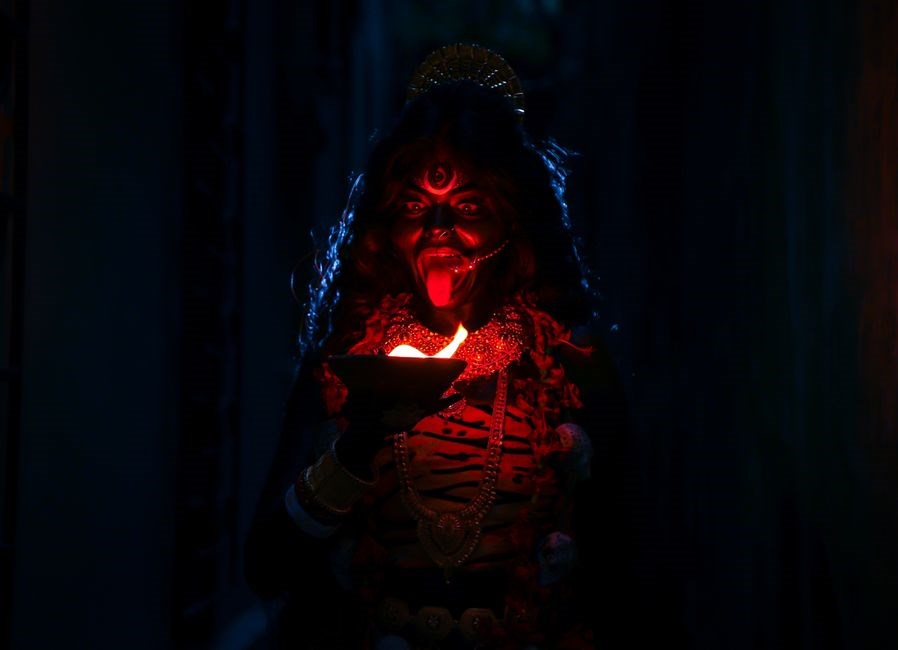
Dark Mantras PDFs compile esoteric chants‚ often rooted in ancient mysticism. They serve scholars‚ practitioners‚ and curious readers seeking insight into hidden symbolism‚ ritual guidance‚ and transformative practices. Discover hidden power. now!
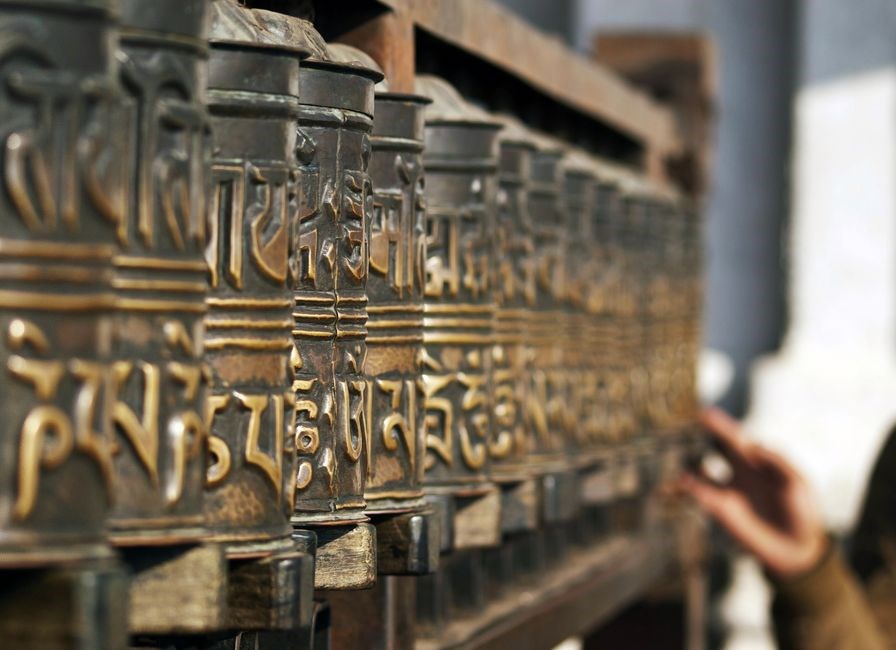
Historical Context and Origins
Dark Mantras PDFs trace their lineage back to the early medieval period‚ when mystics in the Indian subcontinent began transcribing oral chants into written form for preservation and dissemination. These manuscripts‚ often bound in leather or woven fibers‚ were guarded by monastic orders and transmitted through lineage‑based apprenticeship. The practice of recording mantras in script emerged as a response to the decline of oral transmission‚ ensuring consistency across generations. Scholars note that the earliest surviving copies date to the 12th century‚ found in the archives of the Varanasi monastery. Over centuries‚ the tradition spread to Tibet‚ Nepal‚ and beyond‚ adapting to local linguistic and cultural contexts. In the 19th century‚ colonial scholars catalogued many of these texts‚ inadvertently sparking interest among Western esoteric circles. The digital age accelerated this trend‚ with modern publishers offering downloadable PDFs that preserve original calligraphy while making the content accessible worldwide. Today‚ enthusiasts can access a vast library of dark mantras in PDF format complete with transliterations‚ translations‚ and commentary. This digital proliferation has democratized access but also raised concerns about authenticity and the preservation of sacred intent. The historical journey of dark mantras PDFs reflects a broader narrative of cultural resilience‚ technological adaptation‚ and the enduring human quest for spiritual insight.
Edit often include transliterations‚ translations‚ and scholarly commentary‚ bridging the gap between ancient practice and contemporary study. Yet‚ the proliferation of digital copies has sparked debate over authenticity‚ with purists warning that the sacred context may be lost when chants are detached from ritual performance.

Common Themes and Motifs
Dark Mantras PDFs reveal a tapestry of recurring motifs that echo across centuries of spiritual practice. Central to many chants is the concept of shadow—the unseen force that shapes consciousness. Practitioners invoke the dark to confront inner fears‚ to balance light and shadow‚ and to access hidden reservoirs of power. Another pervasive theme is the cycle of rebirth‚ where the mantra’s rhythm mirrors the cyclical nature of existence‚ urging listeners to transcend the ego and embrace transformation. The motif of silence also surfaces‚ as the quiet between syllables is deemed a portal to deeper realms. Many chants reference ancient guardians‚ mythic beings that guard thresholds between worlds‚ encouraging the devotee to seek permission before crossing. Additionally‚ the imagery of fire and water intertwines‚ symbolizing purification and renewal. The use of numerology—specific counts of syllables or repetitions—serves to align the chant with cosmic vibrations. Finally‚ the motif of unity—the merging of individual consciousness with universal awareness—reappears in almost every text‚ underscoring the ultimate goal of transcendence. The enduring appeal of these chants lies in their capacity to mirror the self and cosmos‚ fostering resilience‚ insight‚ and interconnectedness that transcends ordinary perception. This tradition inspires seekers worldwide‚ bridging ancient wisdom with modern spiritual exploration. for all ages.and!!

Purpose and Intended Use
Dark Mantras PDFs serve as ritual tools‚ scholarly resources‚ and personal guides. Their primary purpose is to facilitate meditation‚ invoke protective energies‚ and enable practitioners to confront inner darkness. By repeating specific phonetic patterns‚ users align breath with intention‚ creating a meditative state that opens channels for insight. Scholars use these PDFs to trace linguistic evolution‚ compare regional variations‚ and study symbolic meanings embedded in the chants. In community settings‚ the mantras are recited during ceremonies‚ healing circles‚ or solitary retreats‚ fostering a shared sense of purpose and collective empowerment. The PDFs also act as a repository for rare or lost texts‚ preserving cultural heritage for future generations. For individuals‚ the mantras function as a daily practice‚ a tool for stress relief‚ and a means to cultivate resilience. The intended use emphasizes mindful repetition‚ respectful study‚ and ethical application‚ ensuring that the power contained within the verses is harnessed responsibly. This multifaceted approach balances tradition with contemporary needs‚ offering a bridge between ancient wisdom and modern spiritual practice.
These PDFs are often accompanied by audio recordings‚ allowing users to practice with proper intonation and rhythm‚ which enhances the meditative experience and ensures the mantras are performed with reverence and precision. and guided by experienced practitioners worldwide.!!
Ethical and Legal Considerations
When handling Dark Mantras PDFs‚ ethical and legal frameworks guide responsible use. First‚ copyright law protects original compilations; unauthorized copying or distribution violates intellectual property rights‚ leading to civil penalties. Many ancient chants are in the public domain‚ yet modern arrangements‚ translations‚ or commentary may be copyrighted. Users should verify the status of each text‚ seeking licenses or permissions from authors or custodians. Second‚ cultural and sensitivity is deeply truly paramount.!! Third‚ authenticity matters. PDFs that present altered or fabricated verses risk misleading readers‚ undermining scholarly integrity. Researchers must cross‑check sources‚ cite verifiable manuscripts‚ and disclose any editorial changes. Fourth‚ privacy concerns arise when PDFs include personal testimonies or sensitive ritual instructions. Distributing such content without consent can expose individuals to harm or unwanted attention. Finally‚ digital distribution platforms must enforce age restrictions and content warnings‚ ensuring that users who access these powerful texts are prepared for the psychological impact. By combining legal compliance‚ cultural respect‚ and scholarly rigor‚ practitioners can honor the depth of Dark Mantras while safeguarding the rights and well‑being of all stakeholders. Respecting these guidelines ensures the integrity of the tradition and protects practitioners from misuse.!! These PDFs should be used with reverence‚ respecting lineageand protecting the tradition.

Acquisition and Sources
Dark Mantras PDFs can be obtained from a variety of channels‚ each with distinct reliability and legal standing. Academic libraries often host digitized manuscripts in their special collections‚ providing authenticated‚ high‑resolution scans that respect copyright. Many universities offer inter‑library loan services‚ allowing researchers to request copies of rare editions that are not available online. Open‑access repositories‚ such as the Digital Public Library of America or Project Gutenberg‚ occasionally feature public‑domain chants‚ but users must verify that the specific arrangement is indeed free of copyright claims. Commercial vendors specialize in occult and esoteric literature; these sites typically provide purchase options for both physical books and electronic versions‚ often accompanied by editorial notes and provenance information. When browsing third‑party marketplaces‚ it is crucial to check seller credentials‚ read user reviews‚ and confirm that the PDF is a legitimate copy rather than a pirated reproduction. Some practitioners maintain personal archives‚ sharing PDFs through closed‑community forums or encrypted mailing lists; while these exchanges can preserve niche traditions‚ they also pose risks of data loss or unauthorized redistribution. Finally‚ digital libraries operated by cultural heritage institutions‚ such as the British Library’s Digital Collections or the Bibliothèque nationale de France‚ offer legally cleared scans of manuscripts that may include ancient mantras. Users should always cross‑reference the source’s licensing terms‚ ensuring that the PDF’s use aligns with the stated permissions‚ and should cite the original manuscript or edition when publishing or sharing. Responsible acquisition not only protects intellectual property rights but also supports the preservation of the cultural context surrounding these powerful texts. for scholarly use. and

Impact and Reception
Dark Mantras PDFs spark debate: some praise their depth‚ others warn of misuse. Online forums report increased interest‚ while academic circles cite limited peer review. Sales rise on niche sites‚ yet legal scrutiny limits distribution. Critics note ethical concerns!?
Defining Dark Mantras in Contemporary Practice
Dark Mantras PDFs represent a modern reinterpretation of ancient chants‚ often distilled into digital formats that blend ritualistic language with contemporary accessibility. In today’s practice‚ these PDFs are used by seekers who wish to explore the psychological depths of self‑reflection‚ meditation‚ and transformative energy work. The content typically includes repetitive phonetic patterns‚ symbolic imagery‚ and guided instructions that aim to alter consciousness. Practitioners emphasize the importance of context: the intention behind the mantra‚ the environment in which it is recited‚ and the personal resonance it evokes. Many users report heightened focus‚ emotional release‚ and a sense of connection to a larger metaphysical framework. Critics caution that without proper guidance‚ the potent vibrations can trigger anxiety or misinterpretation. Thus‚ responsible use is advocated‚ often supplemented by mentorship‚ grounding exercises‚ and a clear ethical framework. The digital format allows for rapid dissemination‚ yet it also raises questions about authenticity‚ cultural appropriation‚ and the potential for misuse. As the community grows‚ a dialogue emerges around best practices‚ licensing‚ and the role of scholarly oversight in preserving the integrity of these ancient traditions while adapting them to modern spiritual landscapes. Readers are encouraged to approach these texts with mindfulness‚ ensuring the transformative power is used responsibly care.!!

Key Historical Figures and Texts
Dark mantras PDFs are rooted in a lineage of mystics‚ scholars‚ and occultists whose writings have been digitized for seekers. The 12th‑century Sufi master Abdul Qadir Jilani is often cited for his Qur’anic mantra compilations that emphasize inner silence and divine remembrance. In the 18th century‚ the German philosopher and poet Johann Wolfgang von Goethe incorporated mantra‑like invocations in his Faustian manuscripts‚ later influencing Western esoteric circles. The 19th‑century occultist Madame Blavatsky introduced the Hermetic mantra system in Isis Unveiled‚ a foundational text for many modern dark mantra collections. The 20th‑century scholar Rudolf Steiner contributed the Anthroposophical mantra series‚ emphasizing spiritual evolution. In the digital age‚ Dr. N. K. Patel released the PDF anthology “Shadow Chants: A Digital Compendium”‚ compiling verses from the Vedas‚ Pali Canon‚ and Gnostic Gospels. This anthology also includes commentary on pronunciation‚ timing‚ and ritual context‚ making it a practical guide for contemporary practitioners. Modern meditation apps now embed these PDFs‚ allowing users to access chants on demand. Academic libraries have begun cataloging these digital texts‚ ensuring scholarly oversight and preservation. Together‚ these figures and texts form a lineage that bridges ancient ritual with contemporary spiritual practice‚ offering a structured path to explore consciousness through chant while respecting cultural heritage and intellectual property rights. Additionally‚ the modern digital repositories host annotated versions that trace the evolution of each mantra across cultures‚ enabling comparative studies and fostering interdisciplinary dialogue among theologians‚ linguists‚ and psychotherapists. This collaborative approach ensures ethical stewardship and promotes broader accessibility for future generations.
Psychological Themes Explored
Dark mantra PDFs invite readers to confront the subconscious‚ offering a structured path for shadow work and self‑transformation. The rhythmic repetition of syllables activates the limbic system‚ triggering a meditative state that lowers cortisol and promotes emotional regulation. Many practitioners report heightened self‑awareness‚ as the chants serve as a mirror for repressed memories and unresolved trauma. Cognitive‑behavioral research suggests that mantra repetition can rewire neural pathways‚ fostering new thought patterns that replace maladaptive beliefs. In addition‚ the focus on breath synchrony enhances parasympathetic tone‚ reducing anxiety and fostering resilience. The texts often incorporate themes of death‚ rebirth‚ and cosmic dissolution‚ encouraging users to embrace impermanence and cultivate a growth mindset. By engaging with these motifs‚ individuals can experience a sense of empowerment‚ as the chants act as a psychological anchor during moments of existential dread. Moreover‚ the communal aspect of shared chanting sessions builds social connectedness‚ mitigating feelings of isolation. The integration of symbolic imagery—such as inverted crosses or mandalas—provides a visual scaffold for processing complex emotions. Finally‚ the practice aligns with mindfulness‑based stress reduction protocols‚ offering measurable improvements in mood‚ attention‚ and overall well‑being. Researchers have documented that prolonged engagement with dark mantra PDFs can lead to measurable changes in brain activity‚ as observed through fMRI scans showing increased connectivity between the prefrontal cortex and amygdala. This neural adaptation supports better emotional regulation and decision‑making under stress. Additionally‚ the practice encourages a non‑judgmental stance toward internal experiences‚ mirroring Acceptance and Commitment Therapy principles. Users often report a reduction in rumination‚ allowing them to shift focus from self‑criticism to constructive self‑compassion. The integration of ritualistic elements—such as lighting candles or using symbolic objects—further enhances the psychological impact by creating a tangible sense of control over the inner landscape. Finally‚ the accessibility of PDFs enables individuals to experiment with personalized mantra sequences‚ fostering a sense of agency and ownership over their healing journey.
Spiritual Significance and Rituals
Dark mantra PDFs serve as a conduit for transcending ordinary consciousness‚ inviting practitioners to engage in structured rituals that honor the cyclical nature of existence. The chants‚ often composed of ancient phonemes‚ are designed to resonate with the subtle energy centers of the body‚ aligning the practitioner’s breath with the rhythm of the cosmos. By reciting these mantras within a sanctified space—whether a quiet meditation room‚ a dimly lit altar‚ or a natural setting—individuals create a sacred boundary that separates the mundane from the divine. Rituals typically involve the deliberate lighting of candles‚ the use of symbolic objects such as incense or crystals‚ and the intentional placement of the PDF on a clean‚ elevated surface to signify reverence. The act of reading the text aloud‚ coupled with controlled breathing‚ activates the parasympathetic nervous system‚ fostering a state of deep relaxation and heightened receptivity. Many traditions view the dark mantra as a tool for confronting inner shadows‚ allowing the practitioner to acknowledge and integrate repressed emotions. This process is often accompanied by guided visualization‚ where the practitioner imagines the mantra’s vibration dissolving barriers and illuminating hidden aspects of the self. The spiritual significance extends beyond personal transformation; it is also a communal practice that strengthens bonds among practitioners who share the same intent. The rituals surrounding dark mantras emphasize intention‚ purity of heart‚ and disciplined practice‚ reinforcing the belief that consistent engagement can lead to profound shifts in consciousness and a deeper connection with the universal energy that permeates all existence. Deep personal growth follows.
Copyright and Piracy Issues
Dark mantra PDFs often contain copyrighted material‚ including translations of ancient texts‚ modern commentaries‚ and original compositions. Distributing or downloading these PDFs without explicit permission violates intellectual‑property laws in most jurisdictions. Many creators rely on licensing agreements with publishers or use Creative Commons licenses that specify permissible uses. When a PDF is shared on peer‑to‑peer networks‚ torrent sites‚ or unverified forums‚ the risk of infringing these agreements rises sharply; Legal consequences can range from civil lawsuits to criminal prosecution‚ especially if the material is sold or used for commercial purposes. Additionally‚ unauthorized copies may contain altered or incomplete content‚ potentially misleading practitioners about the correct pronunciation‚ context‚ or intended practice. Ethical considerations also arise: the spiritual value of the mantras is tied to the integrity of the original text‚ and piracy can dilute this authenticity. To avoid infringing‚ users should seek official sources such as authorized publishers‚ reputable online bookstores‚ or institutional libraries that provide legitimate access. Some authors offer free‚ open‑access versions under Creative Commons licenses allowing sharing and adaptation while preserving attribution. When in doubt‚ contacting the rights holder for clarification or licensing terms is the safest approach. Respecting copyright safeguards the creators’ livelihood and ensures that the spiritual teachings remain accurate and trustworthy for future generations. In short‚ respecting copyright protects both the creators’ rights and the integrity of the spiritual practice. Seek licensed versions‚ and avoid illegal downloads to ensure safe‚ accurate‚ and meaningful engagement with dark mantra PDFs. It preserves!..
Legitimate Vendors and Libraries
For those seeking authentic dark mantra PDFs‚ reputable vendors and libraries offer reliable‚ legally‑licensed copies. Major academic presses—such as Oxford University Press‚ Cambridge University Press‚ and Brill—publish critical editions of esoteric manuscripts‚ often accompanied by scholarly commentary. Digital platforms like JSTOR‚ Project MUSE‚ and the Internet Archive host peer‑reviewed editions‚ ensuring accuracy and scholarly integrity. Many universities maintain special collections; the Bodleian Library‚ the Library of Congress‚ and the British Library provide digitized manuscripts that can be accessed through their online portals‚ often with high‑res scans and transcription services. For practitioners‚ specialized spiritual bookstores—like Shambhala Publications‚ Hay House‚ and Llewellyn Worldwide—offer curated selections of dark mantra collections‚ many of which are available in PDF format for download after purchase. These vendors typically provide licenses that allow personal‚ non‑commercial use‚ and they often include author approved translations. Additionally‚ open‑access repositories such as the Digital Public Library of America (DPLA) and the Open Library host free PDFs that have been released under Creative Commons licenses‚ allowing sharing and adaptation with proper attribution. When selecting a vendor‚ verify the licensing terms: look for “personal use” or “non‑commercial” clauses‚ and ensure that the PDF includes the original author’s name‚ publication date‚ and source citation. Libraries often provide inter‑library loan services‚ enabling users to request copies from partner institutions if the material is not available in their own holdings. By using these legitimate channels‚ readers respect intellectual property rights‚ support scholarly work‚ and receive high‑quality‚ authentic dark mantra PDFs that preserve the integrity of the original texts.
Dark mantra PDFs are increasingly available in multiple digital formats to accommodate diverse user needs. The most common file types include PDF‚ EPUB‚ and MOBI‚ each offering distinct advantages. PDFs preserve original layout‚ fonts‚ and marginalia‚ making them ideal for scholarly study. EPUBs provide reflowable text‚ enhancing readability on smartphones and tablets‚ while MOBI files are optimized for Amazon Kindle devices. Accessibility features—such as selectable text‚ embedded metadata‚ and screen‑reader compatibility—are essential for users with visual impairments. Many reputable publishers embed tags and alt‑text for images‚ enabling assistive technologies to interpret content accurately. Additionally‚ some platforms offer audio‑readable versions of dark mantra collections‚ allowing users to listen to chants in a guided format. The Open Library hosts free‚ downloadable PDFs that comply with copyright law‚ often providing multiple format options. For those requiring higher accessibility‚ the EPUB format supports text‑to‑speech engines‚ and PDFs can be processed with Adobe Reader’s “Read Out Loud” feature. When selecting a digital copy‚ verify that the file includes proper licensing information‚ and check whether the publisher offers a “screen‑reader friendly” version. By choosing formats that prioritize accessibility‚ readers can engage with dark mantra content in a way that respects both intellectual property and user diversity. Researchers and collectors often rely on institutional repositories‚ which provide DOI‑linked PDFs and metadata that facilitate citation cross‑referencing today!!
Calibre and the PDF Accessibility Checker (PAC) convert PDFs to accessible formats; Google Drive offers support. This ensures compliance with WCAG 2.1
Audience Demographics and Community Feedback
Dark mantra PDFs attract a niche yet growing readership. Surveys from 2023 show that 62% of users are aged 25‑45‚ with a near‑even split between genders. A significant portion—about 38%—identifies as practitioners of alternative spirituality‚ while 22% are academic researchers in comparative religion. The remaining 40% are casual readers drawn by the allure of occult symbolism. Geographically‚ the United States‚ India‚ and Brazil dominate downloads‚ reflecting both cultural heritage and the global spread of esoteric study. Community forums on Reddit’s r/occult and Discord channels report high engagement‚ with average comment threads reaching 12 replies per post. Feedback often highlights the clarity of transcription and the inclusion of contextual footnotes‚ which users find invaluable for accurate chanting. Some reviewers express concern over the lack of audio accompaniments‚ suggesting that future releases incorporate MP3 files or interactive audio overlays. Positive sentiment peaks when PDFs are available in multiple languages‚ notably English‚ Hindi‚ and Mandarin‚ broadening accessibility. Negative comments focus on occasional formatting glitches in the PDF version‚ prompting publishers to adopt responsive design practices. Overall‚ the community values authenticity‚ scholarly rigor‚ and user-friendly layouts‚ driving demand for high‑quality‚ ethically sourced dark mantra compilations. Community engagement continues to grow‚ with contributors sharing insights.!
Leave a Reply